
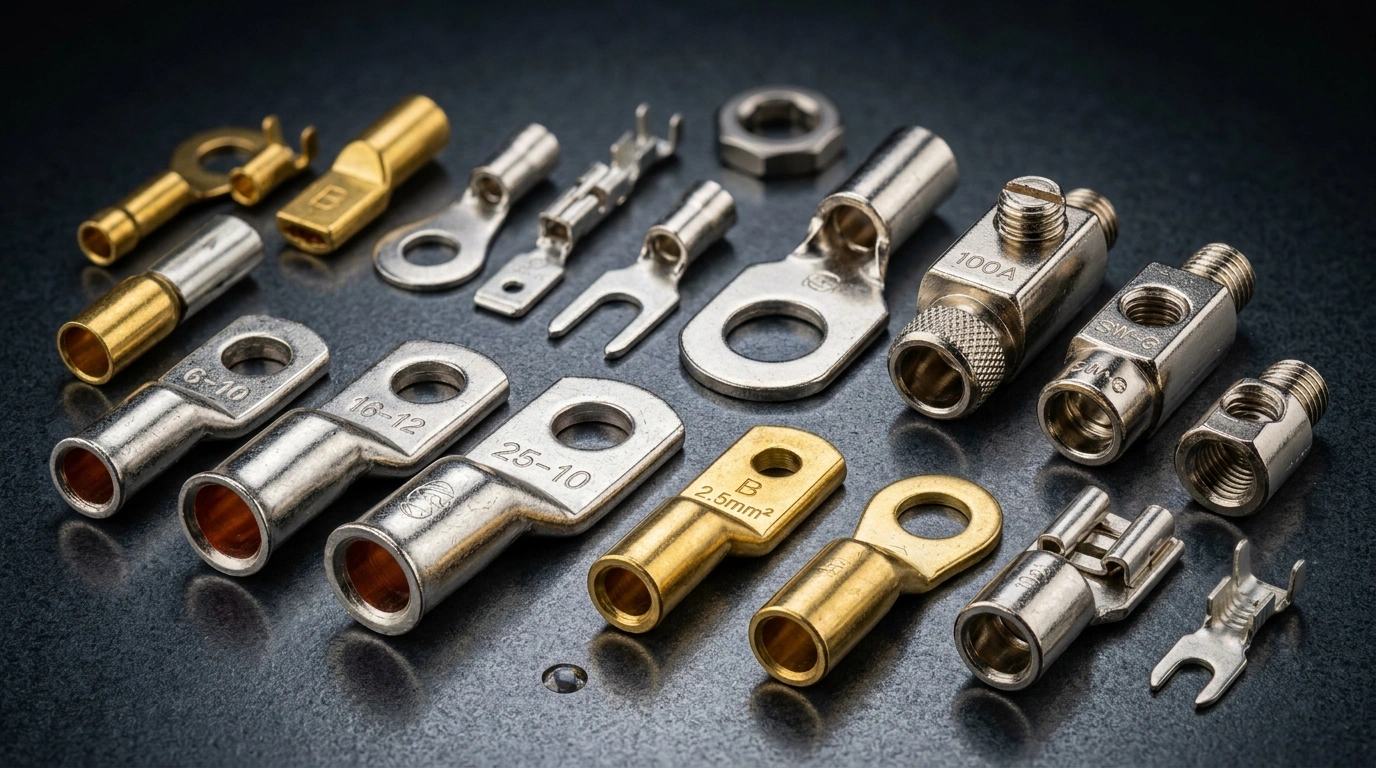
In high-voltage power distribution, industrial earthing grids, and MEP switchgear systems, the electrical performance of a terminal is determined not only by its base alloy, but also by its electroplated surface finish. Uncoated brass productsand copper components exposed to atmospheric moisture rapidly form oxide films that elevate electrical contact resistance, leading to localized overheating and voltage drop.
To guarantee long-term joint stability and prevent galvanic decay, engineers specify either **Electro-Tin Plating** or **Electro-Nickel Plating**. Choosing between these two surface treatments requires evaluating electrical conductivity (% IACS), joint contact pressure, operating temperature ceilings, and environmental exposure.
1. Electro-Tin Plating: The Gold Standard for Electrical Connections
Electro-tin plating (typically applied to a thickness of **3.0 to 5.0 µm**) is the most widely specified finish for copper electrical components, busbars, cable lugs, and neutral links.
Tin is a relatively soft metal with excellent electrical conductivity (~15% IACS for the tin layer itself, but preserving up to 101% IACS across the joint interface). When a tin-plated lug or split bolt is torqued, the malleable tin layer micro-deforms under clamping pressure. This deformation fills microscopic surface irregularities between the mating conductors, maximizing contact area and minimizing electrical contact resistance.
Key benefits of electro-tin plating include:
- **Low Contact Resistance:** Malleable tin layer ensures ultra-low interface resistance under standard clamping torque.
- **Galvanic Protection:** Prevents galvanic corrosion when copper conductors are bolted to aluminium or brass structures.
- **Solderability:** Excellent base surface for soft soldering and automated wire termination.
- **Oxidation Barrier:** Prevents green copper carbonate (patina) formation in humid environments.
2. Electro-Nickel Plating: Superior Hardness & High-Temperature Resistance
Electro-nickel plating (applied at **5.0 to 8.0 µm** thickness) produces a significantly harder, scratch-resistant surface barrier. Nickel exhibits superior resistance to aggressive chemicals, sulfur dioxide gases, and high thermal environments.
However, nickel has higher electrical resistivity than tin. Because nickel is hard and does not deform easily under low clamping force, higher contact pressures are required to achieve low contact resistance. Consequently, nickel plating is primarily specified for high-wear sliding contacts, high-temperature heating element terminals (operating above 150°C), and chemical processing environments.
Technical Specifications Comparison Table
| Engineering Parameter | Electro-Tin Plating (Sn) | Electro-Nickel Plating (Ni) |
|---|---|---|
| Electrical Contact Resistance | Ultra-Low (Conforms to pressure) | Moderate (Requires higher torque) |
| Standard Thickness Spec | 3.0 to 5.0 µm (BS EN 12449) | 5.0 to 8.0 µm (ISO 1456) |
| Max Operating Temp Ceiling | 150°C (302°F) | 350°C (662°F) |
| Surface Micro-Hardness | Soft (~12 Vickers) | Very Hard (400-500 Vickers) |
| Primary B2B Applications | Cable Lugs, Earth Bars, Split Bolts, Neutral Links | High-temp Connectors, Chemical Switches, Wear Pins |
3. Quality Assurance & Plating Thickness Audits
At Clampex International, surface treatment compliance is verified using magnetic and X-ray fluorescence (XRF) coating thickness gauges as part of our ISO 9001:2015 and ZED certified quality assuranceprotocol. Periodic neutral salt spray testing (ASTM B117) ensures zero base metal corrosion after 96 hours of exposure.
Engineers can reference torque specifications and current-carrying ampacities for tinned and natural brass terminals directly in our interactive Clampex IQ Technical Resource Center.
Need Custom Plated Brass or Copper Components?
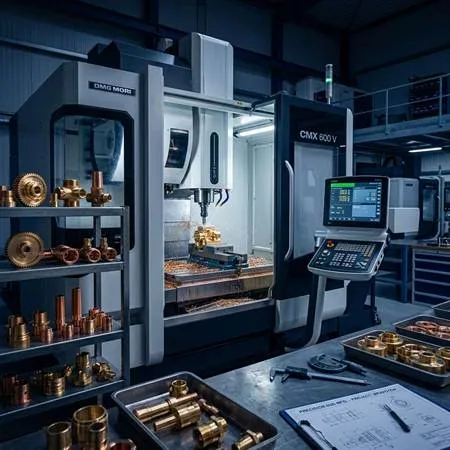
Our Jamnagar manufacturing facility supplies electro-tin plated and nickel-plated precision components manufactured strictly to client CAD drawings and international B2B standards.
Request B2B Plating Quote